Havana
Faded colonial palaces, vintage cars on the seafront, and music drifting from every doorway.
- Best time to go
- November to April, the dry season, with warm days and less humidity
- Local time
- –
- Currency
- Cuban Peso (CUP)
- Reading time
- 4 min
- Language
- Spanish
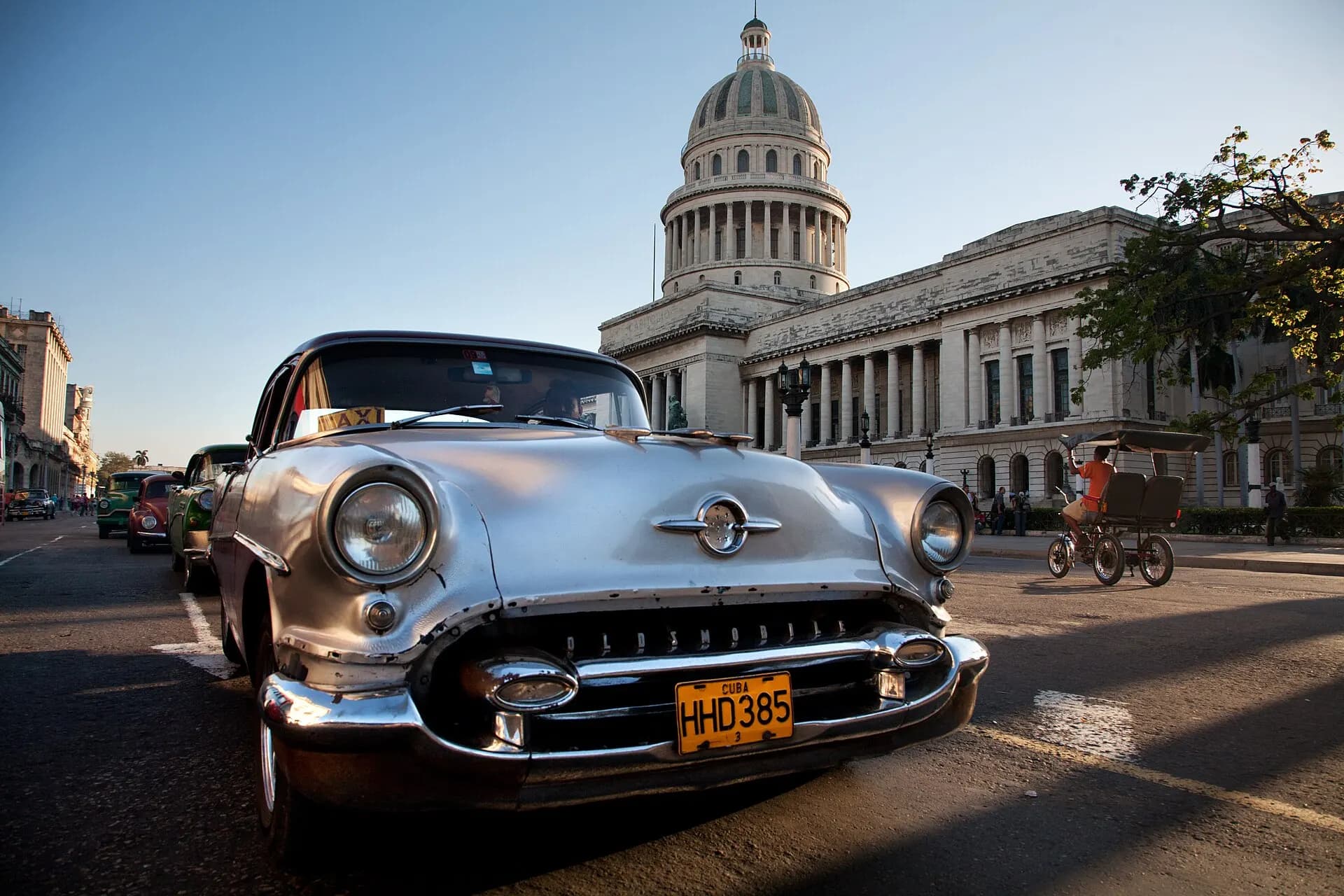
Havana was founded by the Spanish in 1519 and became the great port of the Caribbean, where treasure fleets gathered before crossing the Atlantic. Its old town, La Habana Vieja, with its plazas, baroque churches and fortresses, is a World Heritage Site, and its twentieth-century districts are full of Art Deco and modernist buildings, many in a state of romantic decay.
It's a city of music, conversation and street life, where classic American cars from the 1950s still cruise the seafront. Cuba faces serious economic difficulties, with shortages of fuel, food and medicine and frequent power cuts, which affect visitors too. Plan carefully, travel with patience and respect, and Havana will leave a lasting impression.
The top 9 in Havana
- 1
Old Havana (La Habana Vieja)
Photo: Yoeztudioz, CC BY-SA 4.0, via Wikimedia Commons
A grid of narrow streets linking four great squares, with restored colonial mansions, churches, cafés and museums, as well as crumbling buildings where families live in subdivided palaces. Obispo street, the main shopping street, runs through the heart of it.
- 2
Plaza de la Catedral
Photo: Velvet, CC BY-SA 4.0, via Wikimedia Commons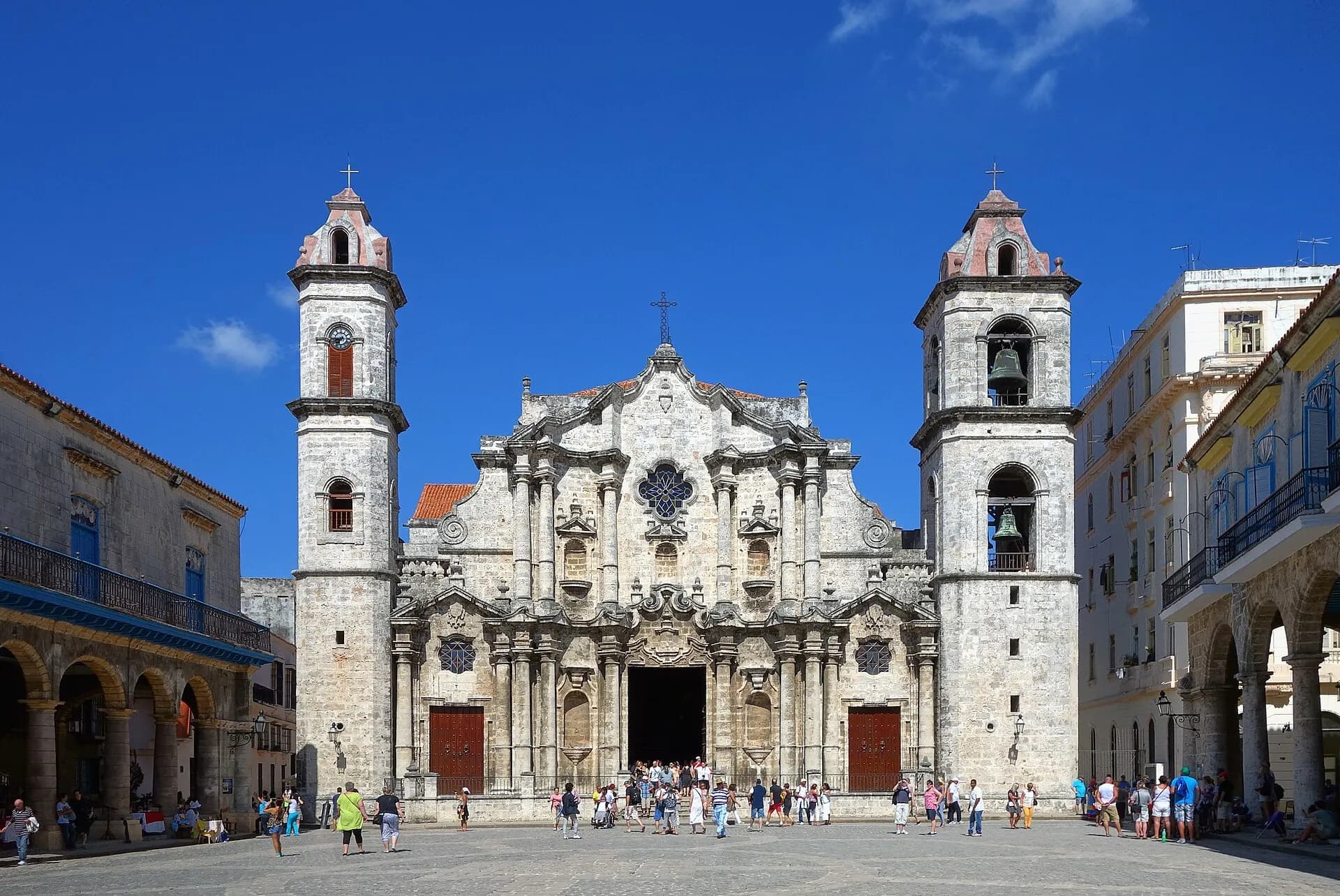
A square dominated by the baroque façade of the Havana Cathedral, completed in the eighteenth century, with its asymmetrical towers and a façade often described as "music turned to stone". Colonial mansions with arcades line the other sides.
- 3
Plaza de Armas and Plaza Vieja
Photo: Velvet, CC BY-SA 4.0, via Wikimedia Commons
Plaza de Armas, the oldest square, is shaded by palms and filled with second-hand book stalls, beside the Palacio de los Capitanes Generales, now the city museum. Nearby, Plaza Vieja is surrounded by restored buildings in many colours, with cafés and a microbrewery.
- 4
The Malecón
Photo: Another Believer, CC BY-SA 3.0, via Wikimedia Commons
An eight-kilometre seafront promenade and sea wall running from Old Havana to Vedado, where Habaneros come in the evening to fish, talk, play music and watch the sunset. In stormy weather, waves crash over the wall onto the road.
TipWalk it at sunset, from Old Havana towards the Hotel Nacional.
- 5
El Capitolio
Photo: Fraganda, CC BY-SA 4.0, via Wikimedia Commons
The former parliament building, completed in 1929, with a dome inspired by the US Capitol and a grand interior, restored and now home to the National Assembly. The streets around it are lined with classic cars offering tours.
- 6
The Museo Nacional de Bellas Artes
Photo: Germanramos2, CC BY-SA 4.0, via Wikimedia Commons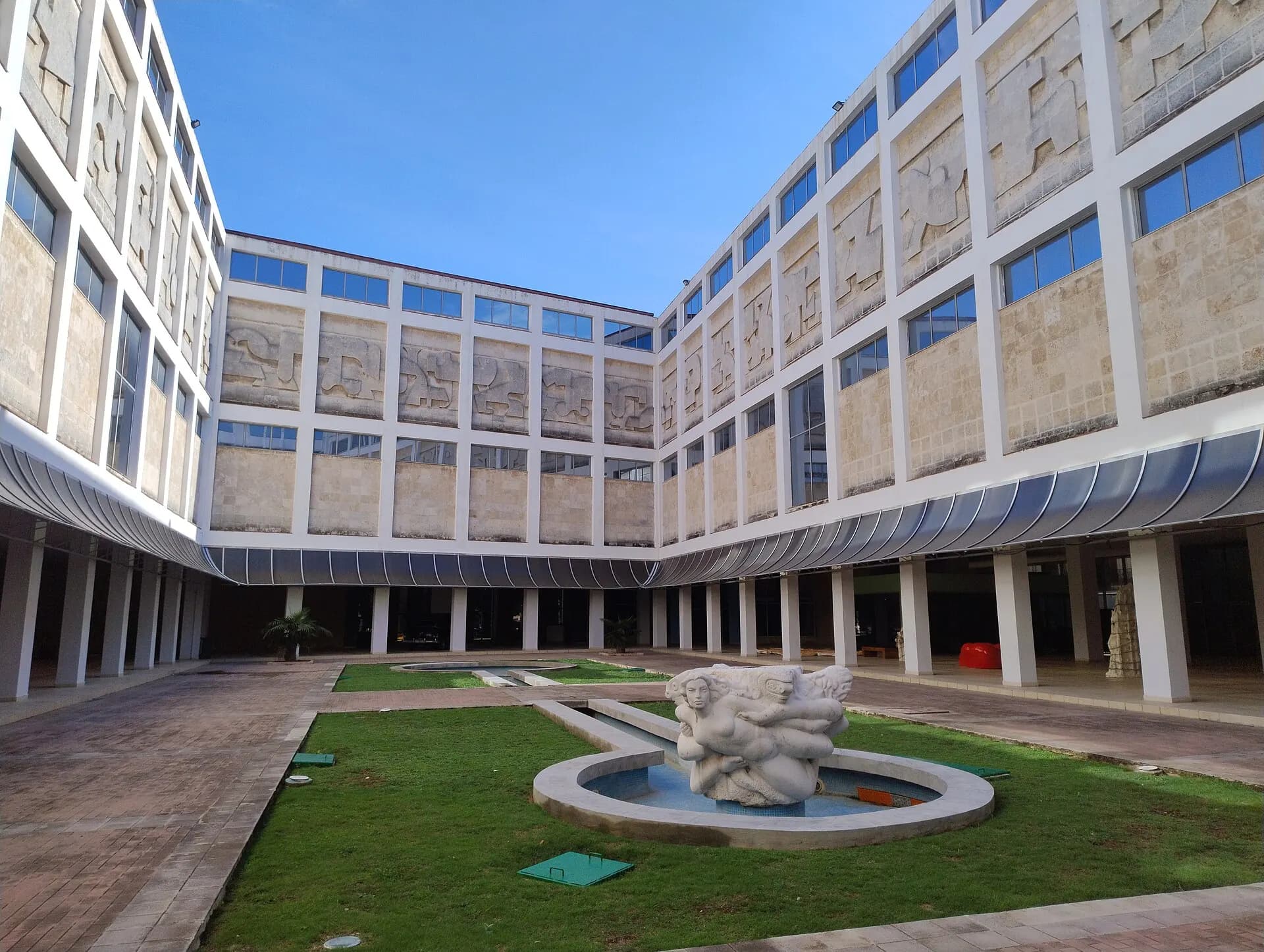
The national fine arts museum, in two buildings: one devoted to Cuban art from colonial times to the present, the other to international art from antiquity onwards. The Cuban collection is outstanding.
- 7
The Morro and La Cabaña fortresses
Photo: Ezarate, CC BY-SA 4.0, via Wikimedia Commons
Across the harbour mouth, the sixteenth-century Morro Castle and the vast eighteenth-century fortress of La Cabaña guarded the city. Every evening at nine, soldiers in period uniforms fire a cannon from La Cabaña in the cañonazo ceremony, a tradition from colonial times.
- 8
Vedado and the Hotel Nacional
Photo: Jorge Royan, CC BY-SA 3.0, via Wikimedia Commons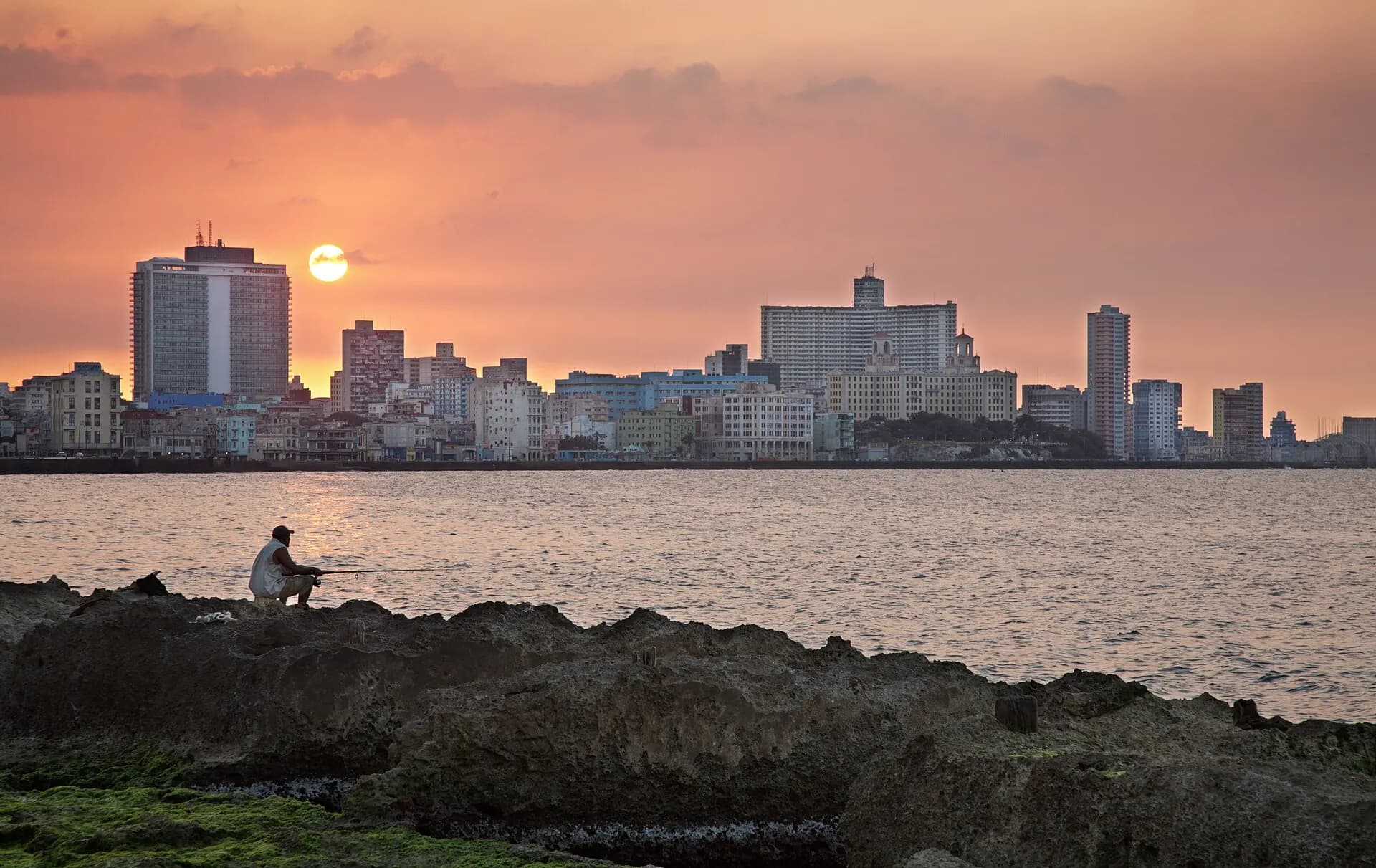
A leafy twentieth-century district of mansions, theatres and jazz clubs, with the grand Hotel Nacional on a bluff above the Malecón, its gardens a classic spot for a drink. Further in, the Plaza de la Revolución is dominated by the huge steel portraits of Che Guevara and Camilo Cienfuegos.
- 9
Fusterlandia
Photo: MVmath20, CC BY-SA 4.0, via Wikimedia Commons
In the fishing neighbourhood of Jaimanitas, the artist José Fuster has covered his house and dozens of neighbours' homes with colourful mosaic tiles and sculptures, a joyful, Gaudí-inspired neighbourhood artwork.
When to go
The dry season, from November to April, is the best time to visit, with sunny days and pleasant temperatures. From May to October it's hotter and more humid, with heavy showers, and from June to November there's a risk of hurricanes. The Havana Jazz Festival is held in winter, and the city's celebrations of its founding take place in November.
Getting around
Old Havana is best explored on foot. Classic cars and modern taxis can be hired for trips across the city; agree the price first. Shared taxis, almendrones, run along fixed routes for a small fare. Bicycle taxis and coco-taxis, small yellow motorbike taxis, are good for short trips. Fuel shortages can make transport harder to find.
José Martí International Airport is about twenty-five minutes from the centre by taxi.
Local tips
- Check entry rules before travelling: most visitors need a tourist card and must complete the online D'Viajeros form; some nationalities, including US citizens, face additional restrictions under their own government's rules.
- Bring enough cash in euros or US dollars: many foreign bank cards don't work in Cuba, and exchange rates vary widely.
- Power cuts and shortages are common; bring a torch, a power bank, basic medicines and toiletries.
- Casas particulares, rooms in family homes, are a great way to stay and support Cubans directly.
- Internet access is limited; buy a local data card or use hotel Wi-Fi.
- Be wary of friendly strangers who lead you to a bar or "festival" where you're expected to pay.
Eat and drink
Cuban cooking is simple and hearty: try ropa vieja, shredded beef in tomato sauce; moros y cristianos, black beans and rice; roast pork; and fried plantains. Privately run restaurants, paladares, generally offer the best food. Havana is the home of the mojito and the daiquirí, made with Cuban rum, and coffee is strong and sweet.
Music and nightlife
Music is everywhere in Havana, from son bands in Old Havana's bars to rumba in the streets. On Sunday afternoons, the Callejón de Hamel in Centro Habana, an alley painted with Afro-Cuban murals, hosts lively rumba sessions. The Fábrica de Arte Cubano, an old oil factory in Vedado turned into a gallery, concert hall and club, is the centre of the city's contemporary culture, and jazz clubs in Vedado host some of the island's best musicians. The Gran Teatro de La Habana is home to the Cuban National Ballet.
Day trips
Viñales, about three hours west, is a valley of tobacco farms and dramatic limestone hills called mogotes, best explored on horseback or on foot. Trinidad, a beautifully preserved colonial town in the centre of the island, is a long day's drive or better an overnight trip, and the white sands of Varadero are about two hours east.