Rio de Janeiro
Granite peaks rising from the sea, legendary beaches and a rhythm all its own. The Marvellous City lives up to its name.
- Best time to go
- April to June and August to October, for warm, drier weather without the summer peak
- Local time
- –
- Currency
- Brazilian Real (BRL)
- Reading time
- 4 min
- Language
- Portuguese
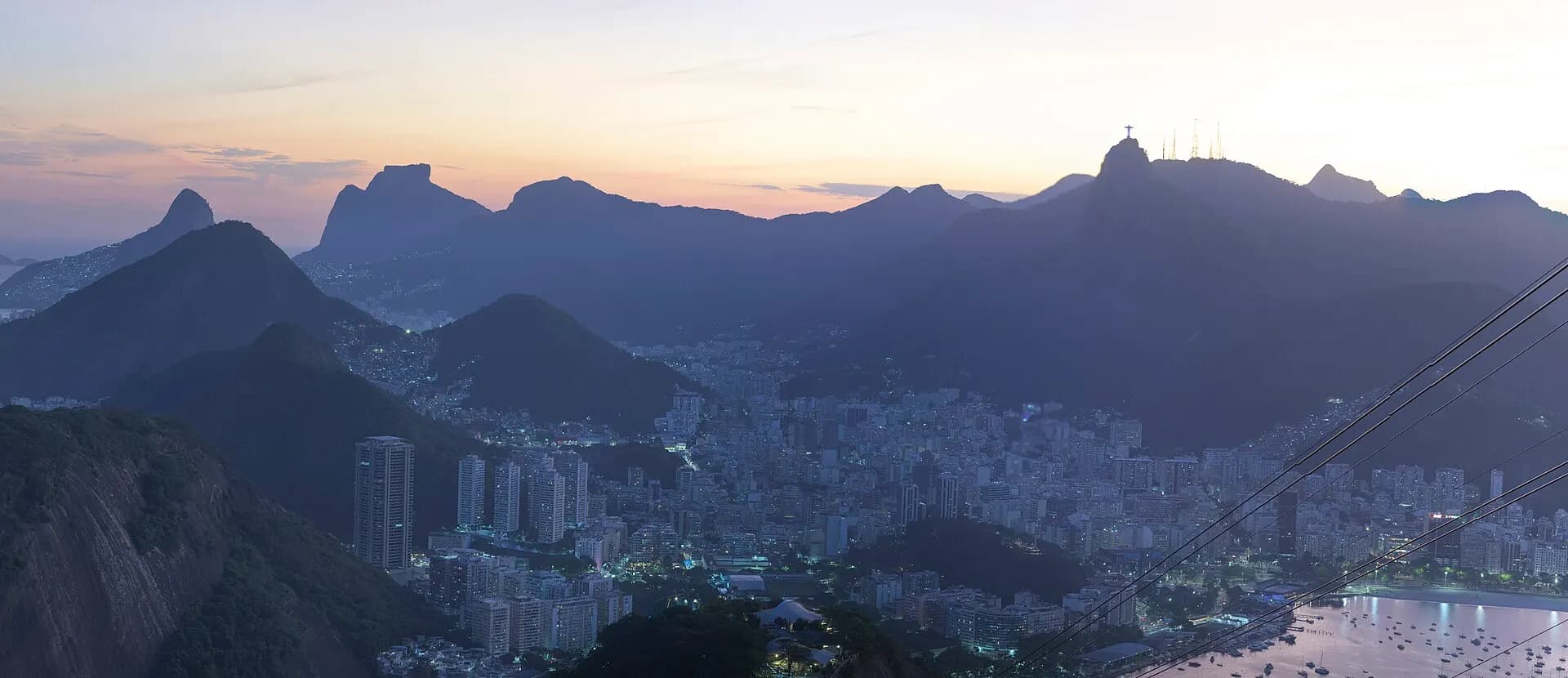
Few cities have a setting like Rio de Janeiro. Forested granite mountains rise straight out of the city, the statue of Christ the Redeemer stands on a peak above it, and long beaches curve along the Atlantic shore. Its landscape between the mountains and the sea is a World Heritage Site.
Rio is also a city of music, football and festivals, famous for its Carnival, its samba and bossa nova, and the easy-going outdoor life of its beaches. Like many big cities, it has real problems with crime and inequality, so it pays to be careful and stay informed. Do that, and you'll find one of the most exhilarating places on earth.
The top 9 in Rio de Janeiro
- 1
Christ the Redeemer
Photo: Donatas Dabravolskas, CC BY-SA 4.0, via Wikimedia Commons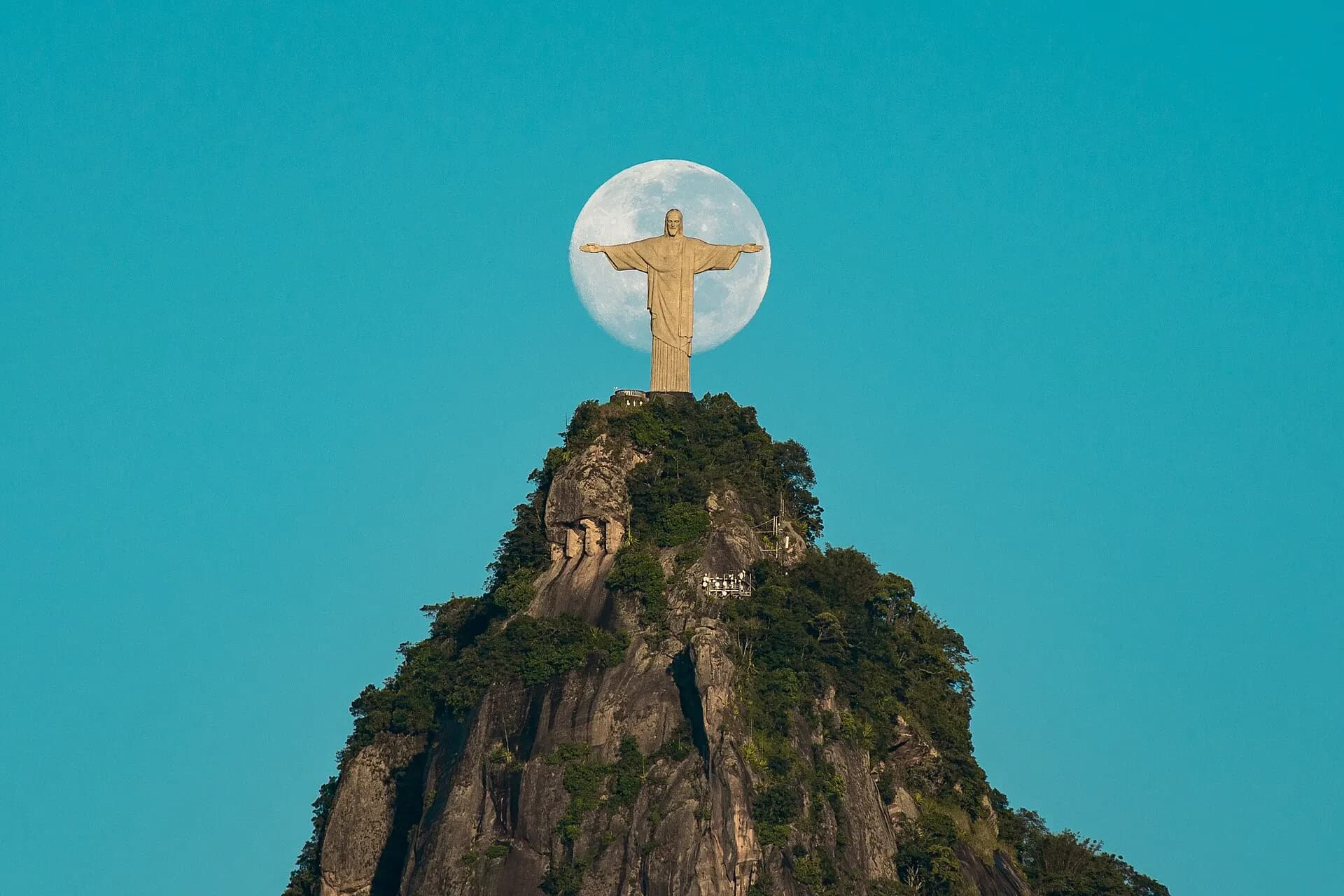
The thirty-metre statue of Christ, with arms outstretched, has stood on the summit of Corcovado mountain since 1931. The view from its base takes in the whole city: the beaches, Sugarloaf Mountain and Guanabara Bay. A cog railway climbs through the Tijuca Forest to the top, and vans run from several points in the city.
TipGo early on a clear morning; clouds often cover the summit later in the day.
- 2
- 3
Copacabana
Photo: Wilfredor, CC0, via Wikimedia Commons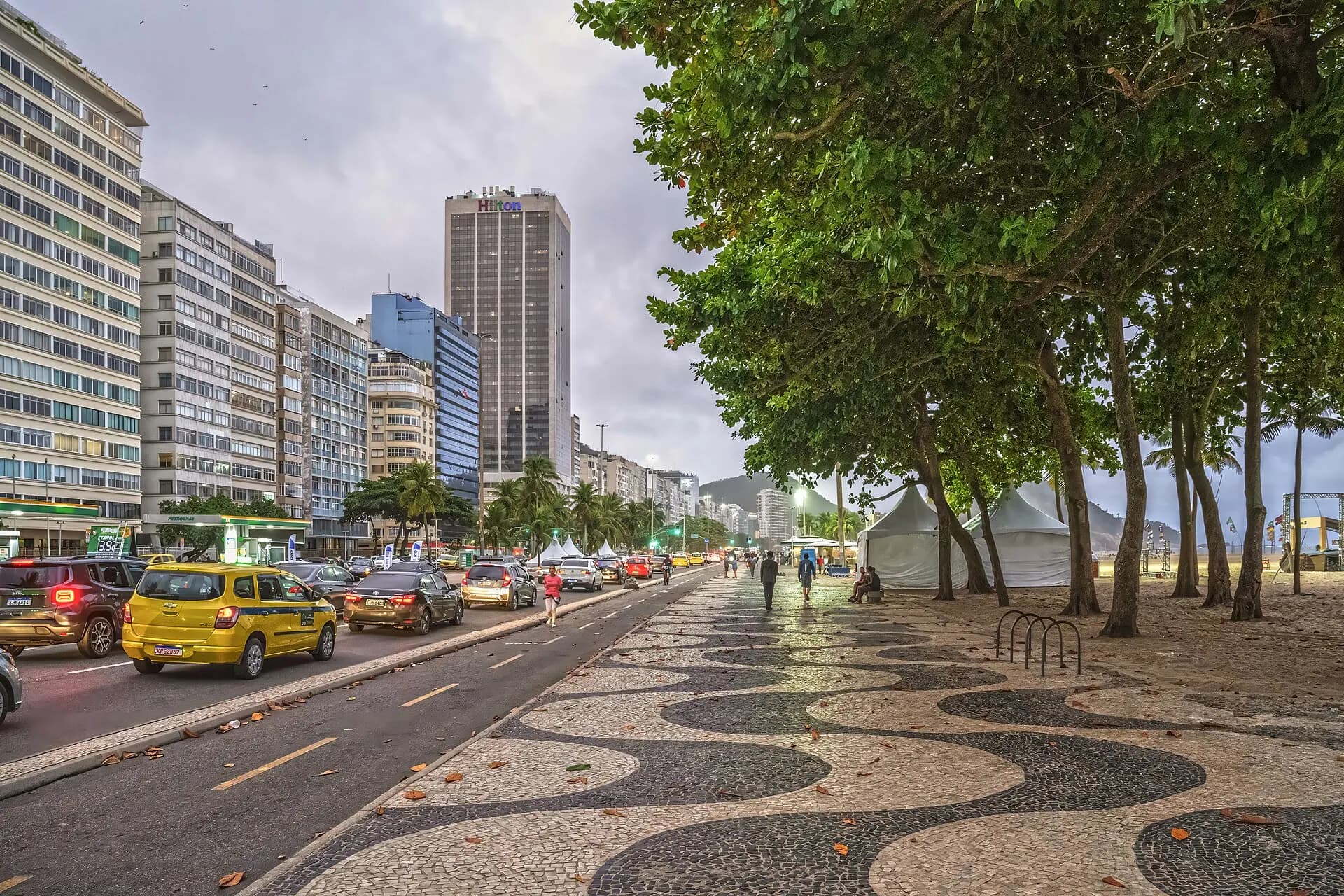
A four-kilometre beach lined with a promenade of black-and-white wave-patterned paving designed by Roberto Burle Marx. It's busy day and night, with beach football, volleyball, kiosks and vendors. On New Year's Eve, millions gather here for the fireworks.
- 4
Ipanema and Arpoador
Photo: Wilfredor, CC0, via Wikimedia Commons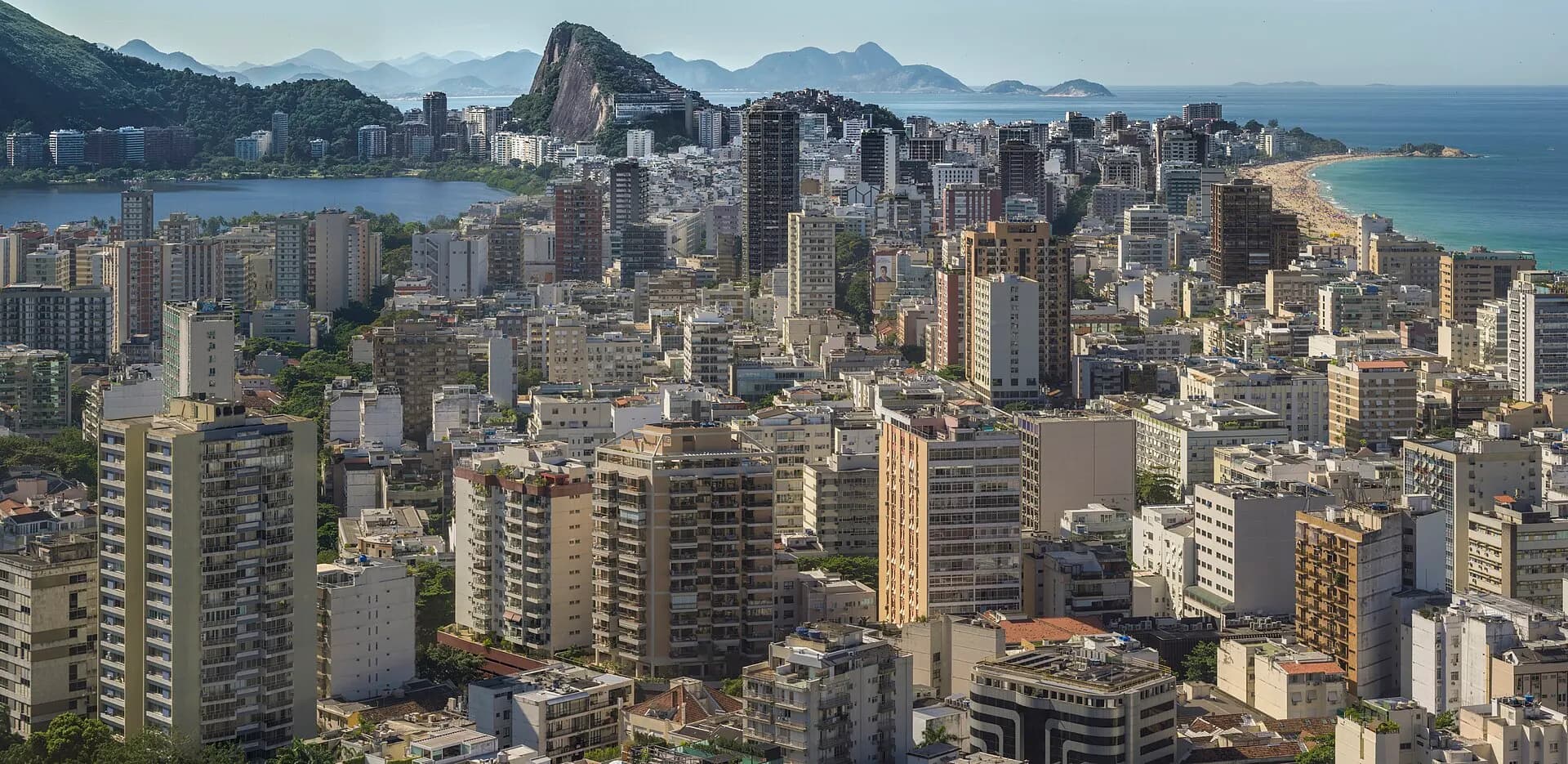
The beach made famous by the bossa nova song, with the twin peaks of the Dois Irmãos at its western end. Each section of the beach, marked by lifeguard posts, has its own crowd. At sunset, people gather on the rock of Arpoador and applaud as the sun sets behind the mountains.
TipBring only what you need to the beach, and never leave belongings unattended.
- 5
Santa Teresa
Photo: Photograph by Mike Peel (www.mikepeel.net)., CC BY-SA 4.0, via Wikimedia Commons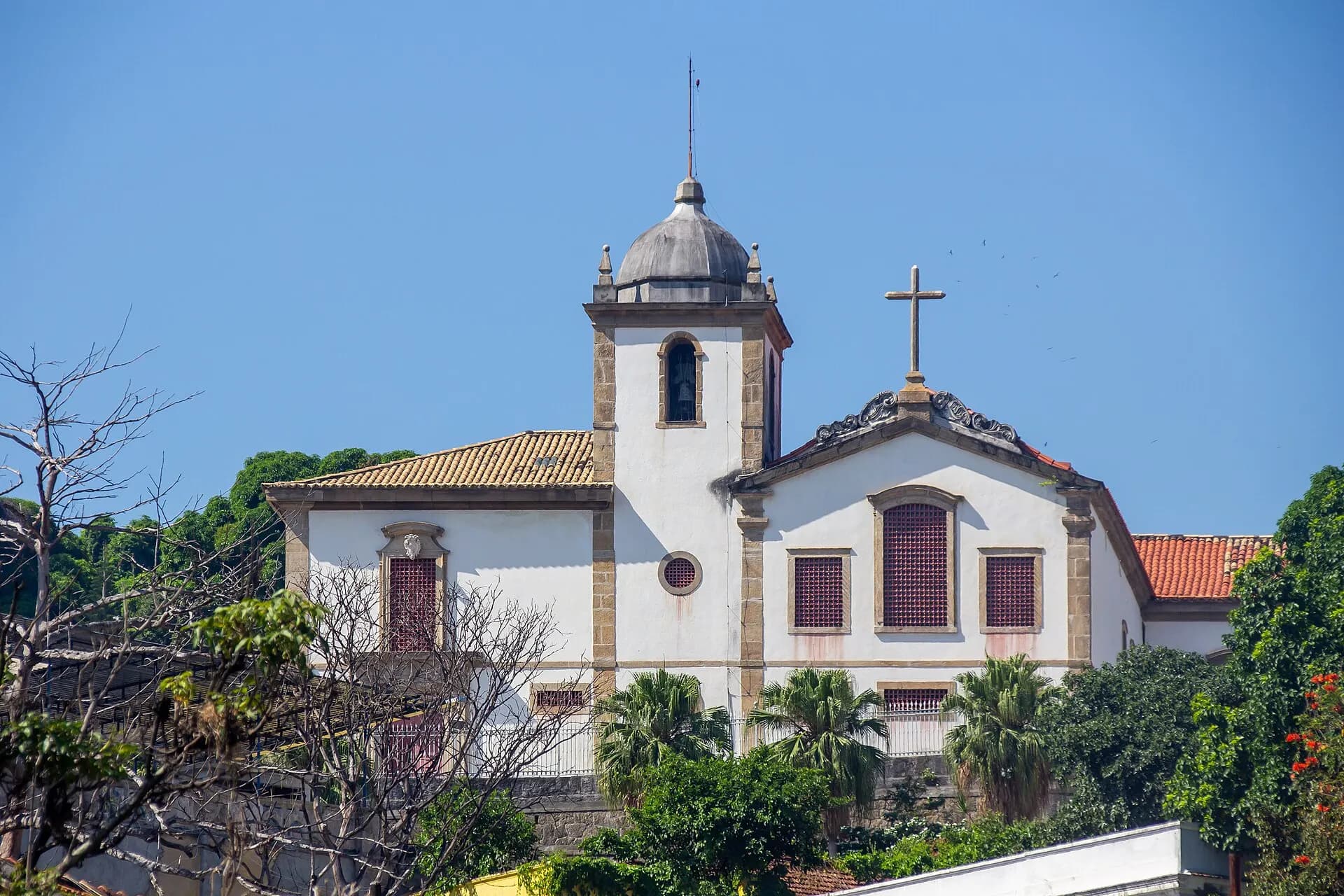
A hilltop neighbourhood of old mansions, cobbled streets, artists' studios and bars, with views over the city. The yellow tram, the bondinho, runs from the centre over the Lapa Arches.
- 6
The Selarón Steps
Photo: Rjcastillo, CC BY 4.0, via Wikimedia Commons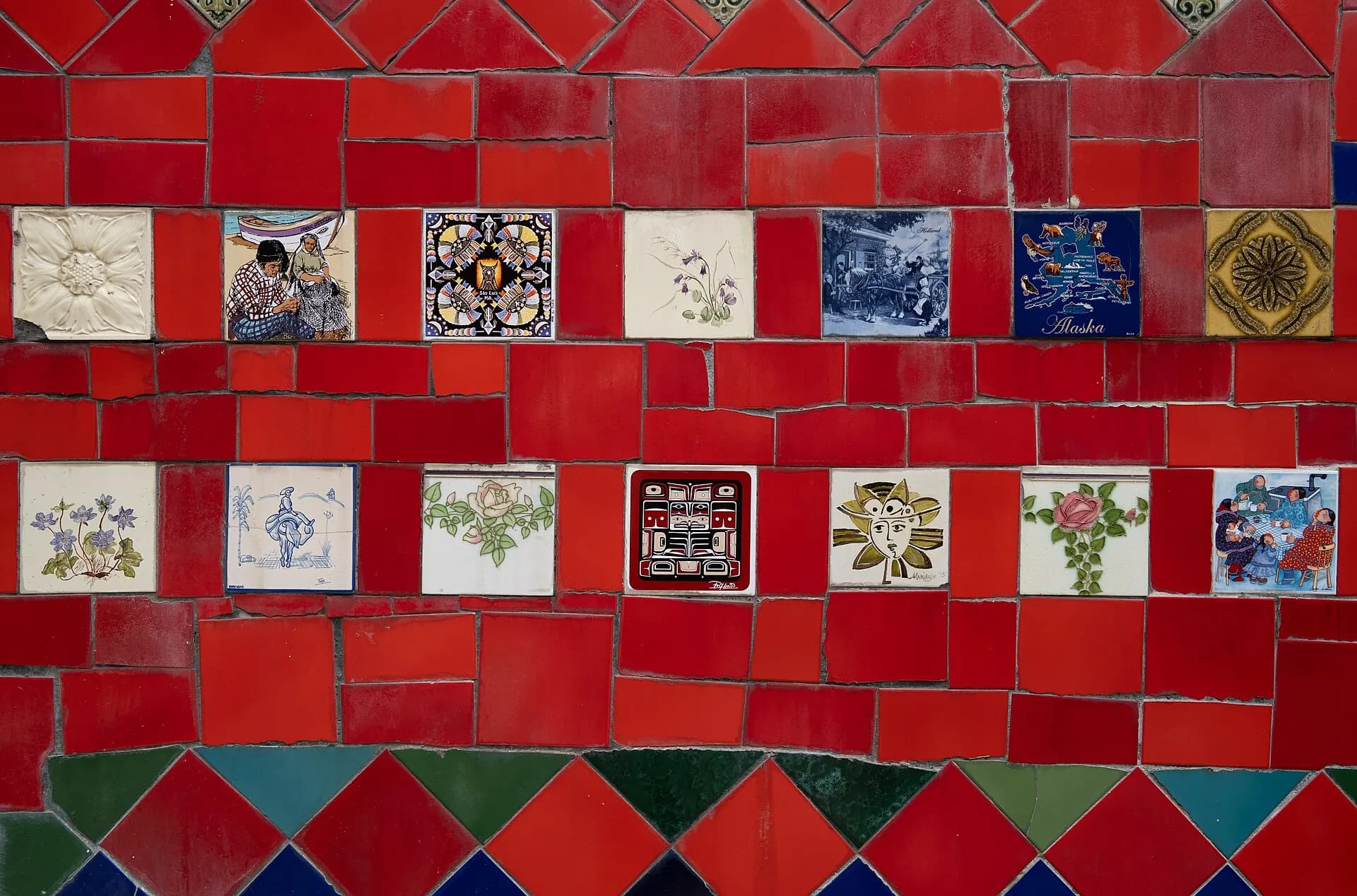
A staircase between Lapa and Santa Teresa covered in more than two thousand colourful tiles from around the world, the life's work of the artist Jorge Selarón. Below, Lapa is the centre of Rio's nightlife, with samba clubs and street parties.
- 7
Tijuca National Park
Photo: MTur Destinos, Public domain, via Wikimedia Commons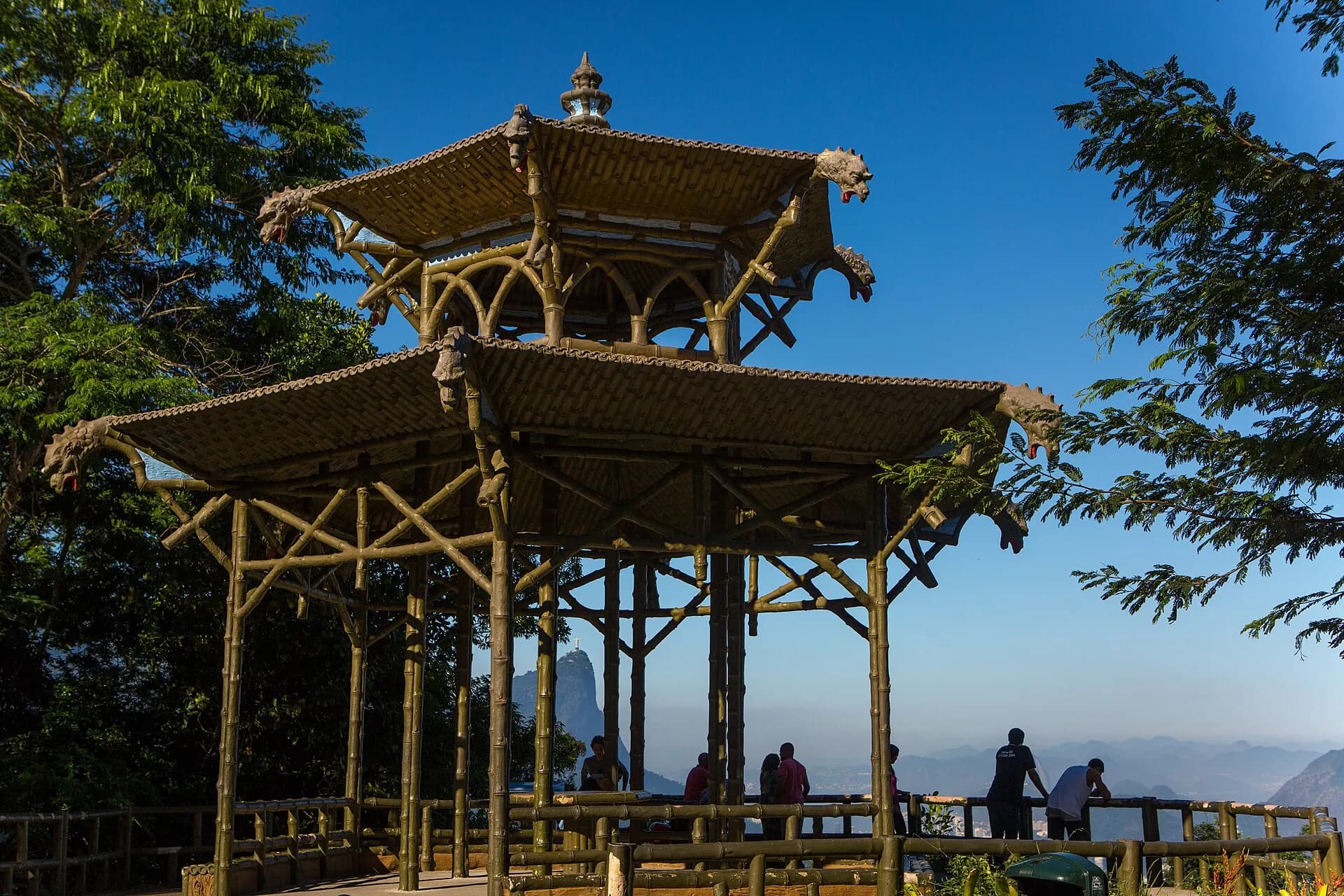
One of the world's largest urban forests, replanted in the nineteenth century, with waterfalls, trails and viewpoints. The hike up Pedra da Gávea or the shorter trails to Vista Chinesa offer spectacular views.
TipHike with a guide or a group, and start early.
- 8
The Botanical Garden
Photo: Matthias Bethke, CC BY-SA 4.0, via Wikimedia Commons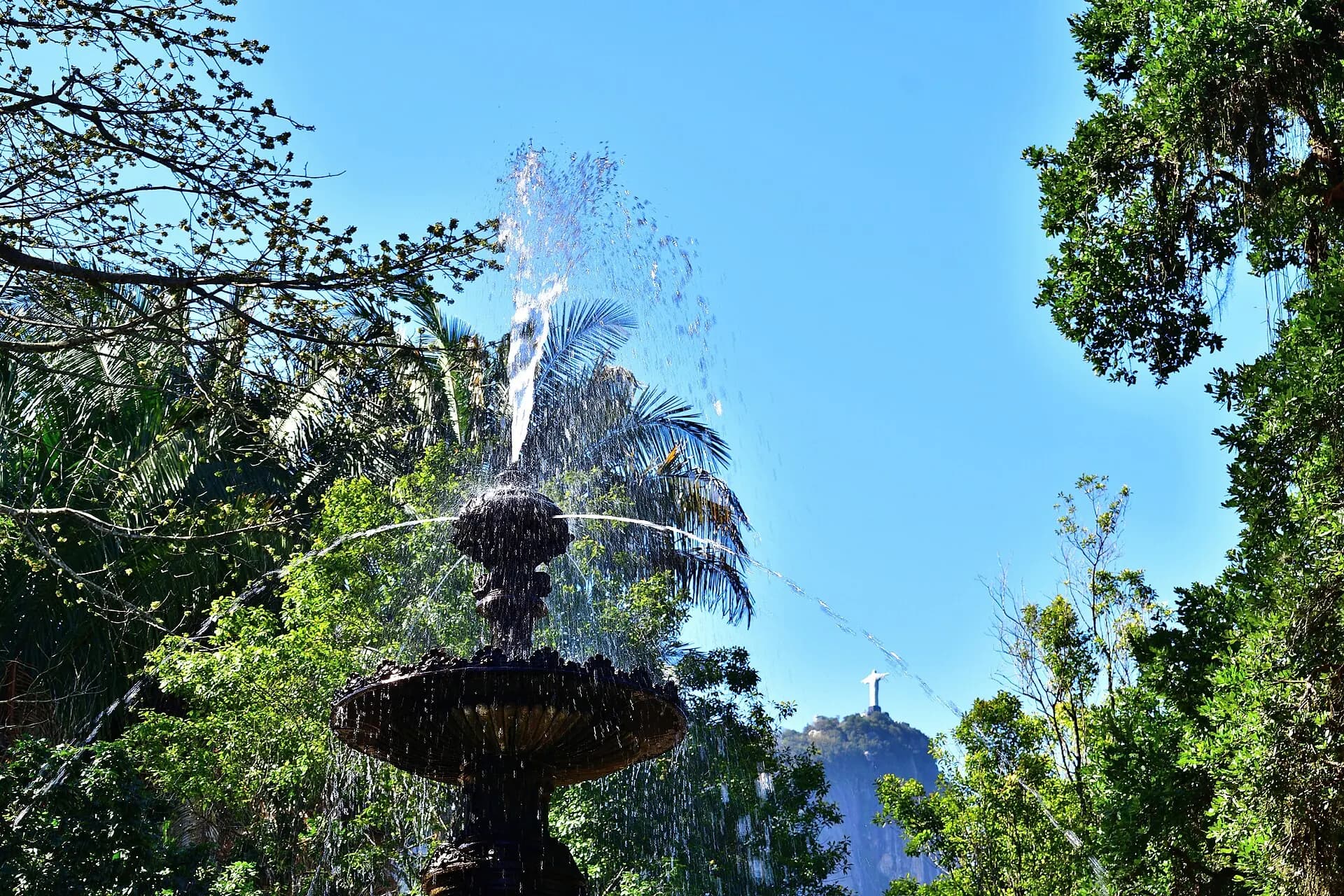
Founded in 1808, the garden has an avenue of towering royal palms, a collection of orchids and bromeliads, and monkeys and toucans in the trees, with Christ the Redeemer above.
- 9
The Museum of Tomorrow and the port
Photo: Bruno Tamm Rabello, CC BY-SA 4.0, via Wikimedia Commons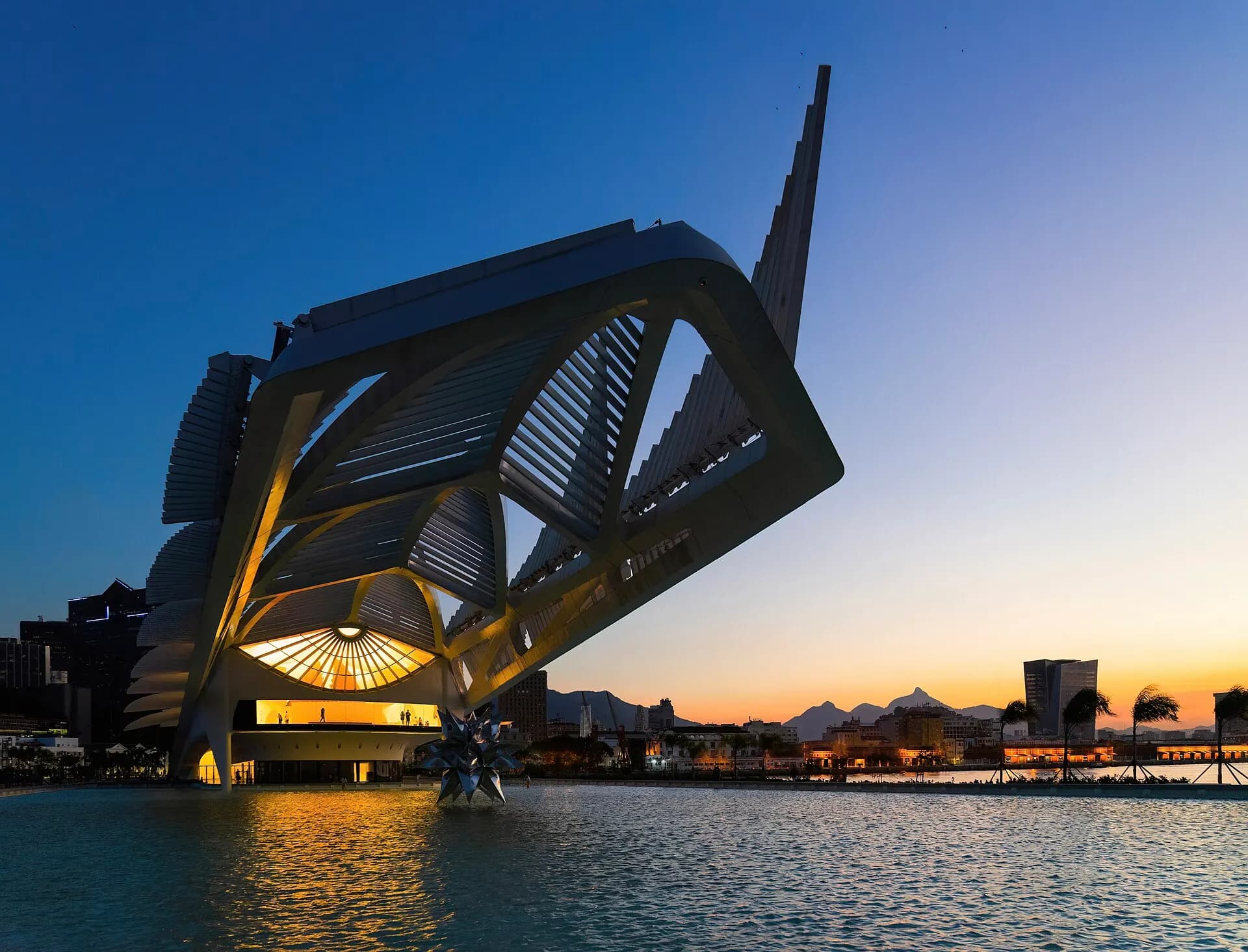
The futuristic Museum of Tomorrow, designed by Santiago Calatrava, explores science and sustainability on the redeveloped waterfront. Nearby, the Boulevard Olímpico has giant murals, and the Valongo Wharf, a World Heritage Site, was the landing place for hundreds of thousands of enslaved Africans.
When to go
Rio is warm all year. Summer, from December to March, is hot and humid, with rain showers; it's the peak season, including New Year and Carnival, held in February or March, when hotels fill and prices rise. The months from April to June and August to October offer pleasant weather and fewer visitors. Winter, from June to August, is mild and drier.
Getting around
The metro is clean and safe and links the centre with Copacabana, Ipanema and Barra da Tijuca. Buses are extensive but harder to navigate. Ride-hailing apps are widely used, inexpensive and safer than hailing taxis on the street. Walking along the beachfront is pleasant during the day.
From Galeão International Airport, taxis and ride-hailing apps take about forty-five minutes to an hour to reach the beaches, depending on traffic; express buses are a cheaper option.
Local tips
- Check visa requirements before you travel; some nationalities now need an electronic visa for Brazil.
- Carry only what you need, keep phones out of sight on the street, and don't wear expensive jewellery.
- Use ride-hailing apps at night rather than walking.
- Don't visit favelas alone; if you want to see one, go with a reputable local guide.
- Swim where others are swimming: the Atlantic surf can be strong.
- Learn a few words of Portuguese: "obrigado" (or "obrigada") means thank you.
Eat and drink
Try feijoada, a rich black-bean and pork stew traditionally served on Saturdays; churrasco at a rodízio steakhouse, where waiters bring endless cuts of meat; and pão de queijo, cheese bread. On the beach, sip coconut water from the shell and snack on grilled cheese and açaí. In the evening, order a caipirinha, made with cachaça, sugar and lime, or an ice-cold chope, draught beer, at a botequim, a neighbourhood bar.
Day trips
Petrópolis, in the cool mountains about an hour and a half north, was the summer retreat of Brazil's emperors, and its Imperial Museum holds the crown jewels. Along the coast to the south-west, Ilha Grande is a car-free island of rainforest trails and beaches, and Paraty, further on, is a beautifully preserved colonial town of cobbled streets on a bay dotted with islands; both are best visited for a night or two. East of the city, the resort of Búzios is known for its many small beaches.